


The strategic imperatives redefining industrial performance
Across manufacturing, energy, and infrastructure, leaders are aligned on priorities that shift from reactive operations to intelligent, proactive systems.
Achieving operational visibility across assets, production lines, and facilities to enable informed, real-time decision-making.
Shifting to predictive maintenance models that reduce unplanned downtime.
Automating quality inspection and defect detection to reduce reliance on manual checks.
Enabling connected workers with digital tools that improve safety, efficiency, and on-ground decision support.
Applying edge intelligence to support low-latency decisions in environments where real-time response is critical.
Integrating OT and IT systems to create a unified view of operations across physical and digital layers.
Using digital twins to simulate operations, optimize performance, and improve planning.
Building scalable data foundations that support analytics, AI, and long-term evolution.
The structural challenges limiting industrial progress
Industrial organization struggles to scale intelligence across complex, distributed operations because systems are isolated, not connected through adaptive platforms.
Legacy OT systems operate in isolation, limiting integration and end-to-end visibility.
Manual inspections and limited real-time asset insight delay failure detection and increase downtime.
Quality and safety processes vary across sites, raising inconsistency and operational risk.
Data remains disconnected across plants and vendors, blocking unified analysis.
Deploying AI at the edge is hard due to infrastructure constraints and complexity.
Slow feedback loops between operations and decision-makers delay corrective action.

Where digital innovation creates the most impact
At Technostacks, engineering precision unlocks disproportionate value in industrial environments, directly translating into higher uptime, better yield, and operational resilience.
Resilient operations

- Predictive maintenance that improves equipment visibility and cuts downtime.
Zero-defect manufacturing
- Computer vision inspection that automates defect detection.
Augmented frontline
- Connected worker platforms improving safety and efficiency.
Mirror of reality
- Digital twins enabling simulation and performance optimisation.
Lean power usage
- Energy monitoring that cuts consumption and boosts efficiency.
A framework for high-precision. Always-on industrial operations
Diagnose
Map assets, workflows, data flows, and failure models. Build a clear understanding of how systems operate today.
Architect
Define OT–IT integration, edge versus cloud logic, and system boundaries. Establish how decisions and data should flow across layers.
Engineer
Build IoT, computer vision, AI, and digital twin components. Ensure each component is designed to work within the broader system.
Integrate
Connect machines, sensors, PLCs, MES, ERP, and analytics layers. Enable consistent data flow across operational and digital systems.
Scale
Harden systems for reliability, latency, and security. Prepare them to perform under continuous, real-world operating conditions.
Govern
Monitor performance and retrain models as needed. Evolve systems over time to support ongoing improvement.
The digital enablers of smarter, safer industrial systems
Modern industrial performance depends on interoperable capabilities operating seamlessly from edge to enterprise.
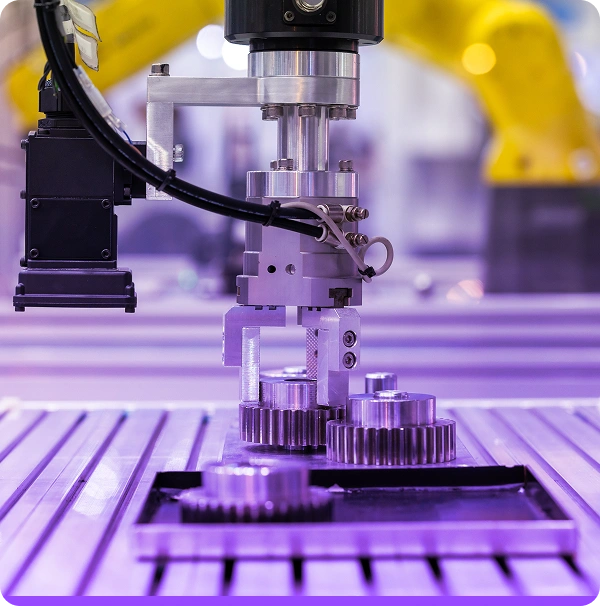
Asset Intelligence
Tracks asset condition and flags anomalies early.
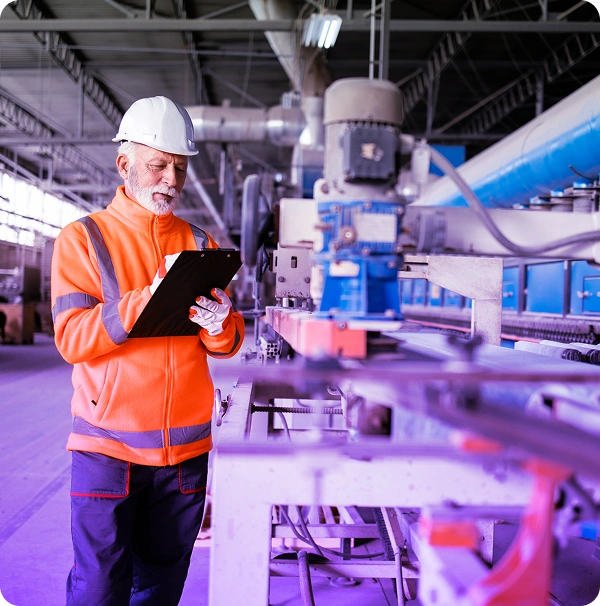
Quality Automation
Automates defect detection, reducing manual checks.

Connected Worker Platforms
Smart devices that improve safety and on-the-ground decisions.
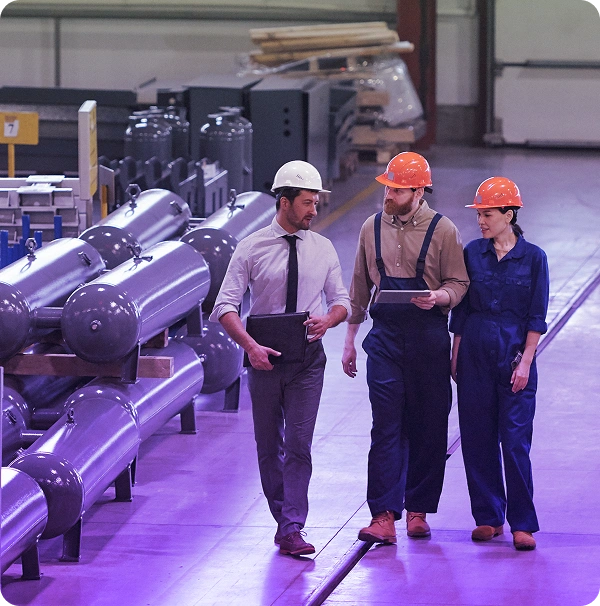
Digital Twins
Simulation and modelling for throughput and performance planning.
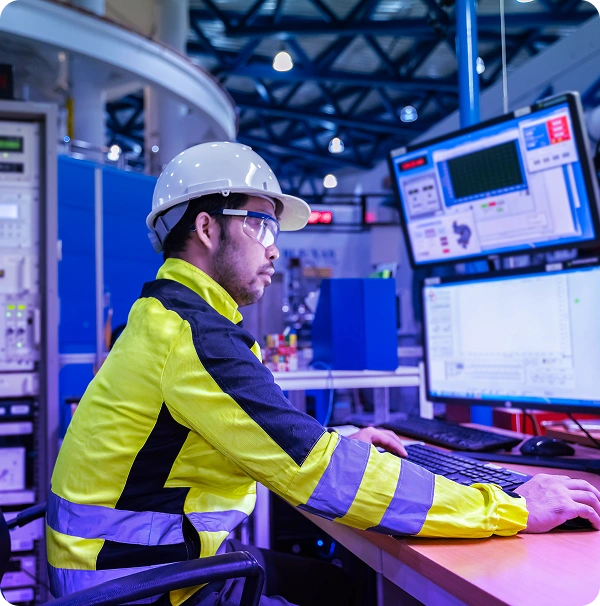
Energy & Performance Analytics
Tracks consumption to support efficiency goals.
Architectures built for real-time, mission-critical environments
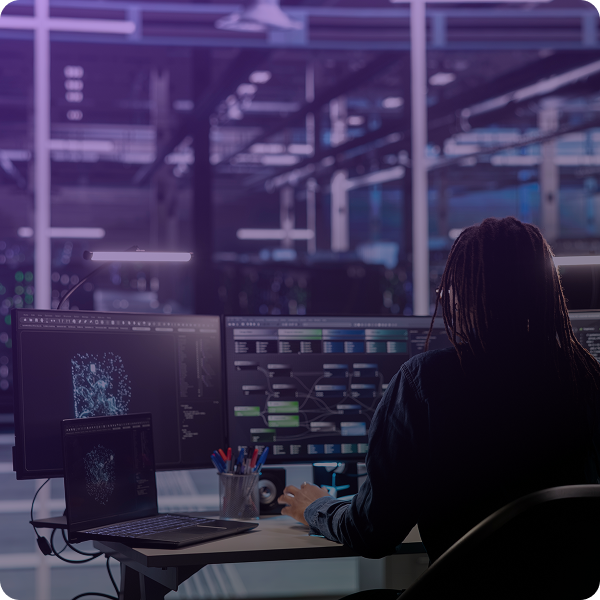
Our approach ensures architectures that perform reliably under harsh conditions, low latency, and continuous operations.

Edge computing for real-time inference and control

Industrial IoT protocols (Modbus, OPC-UA, BLE, MQTT)

Computer vision pipelines optimized for shop-floor conditions

Cloud platforms for aggregation, analytics, and orchestration

Secure DevSecOps for industrial deployments

High-availability systems designed for 24/7 operations
Transforming industrial complexity into operational clarity
From Stuck to Resolved: An AI Agent for ERP Exception Resolution
Turning ERP exceptions into explanations and recommended fixes.
AI-Powered ERP Automation for Predictive Supply Chain & Inventory
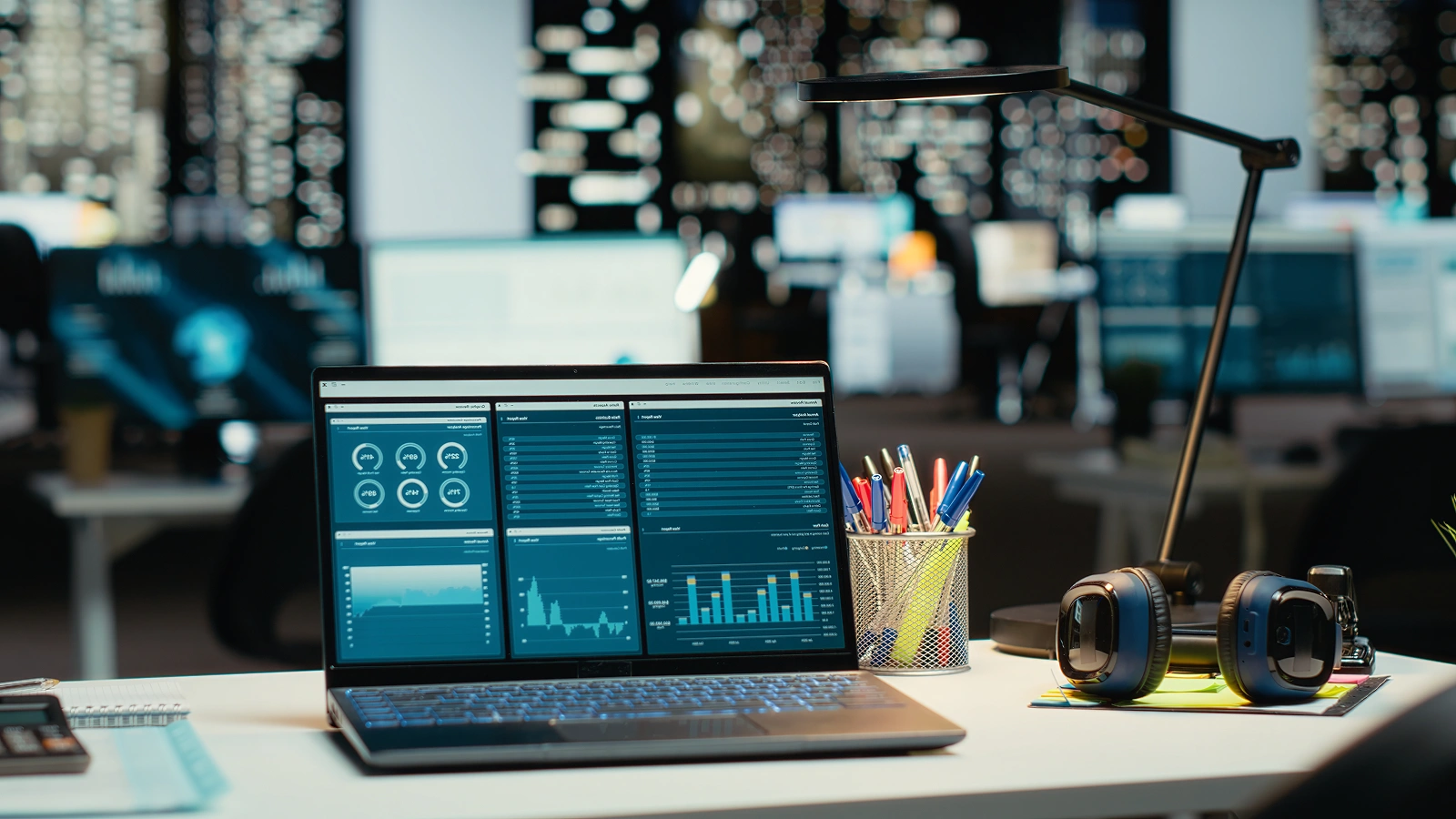
From reactive ERP reports to predicted, human-approved reorders.
From Emails to ERP Transactions: AI-Powered Order Processing for Unstructured Requests
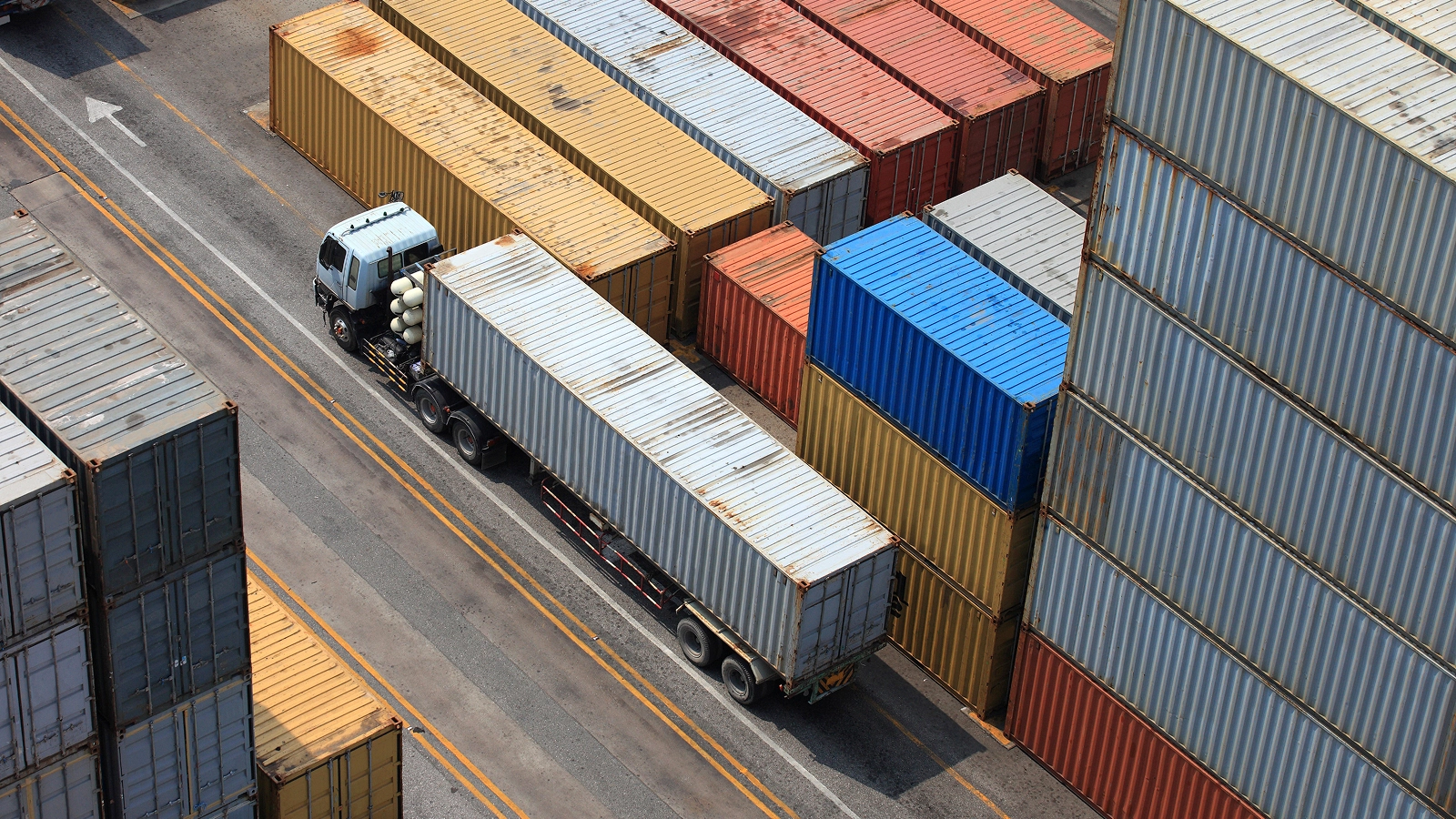
A one-line email asking to ship 500 units becomes a validated ERP sales order, read, matched to the right customer and material, and entered without anyone retyping a thing.
The strengths behind high-performing industrial systems
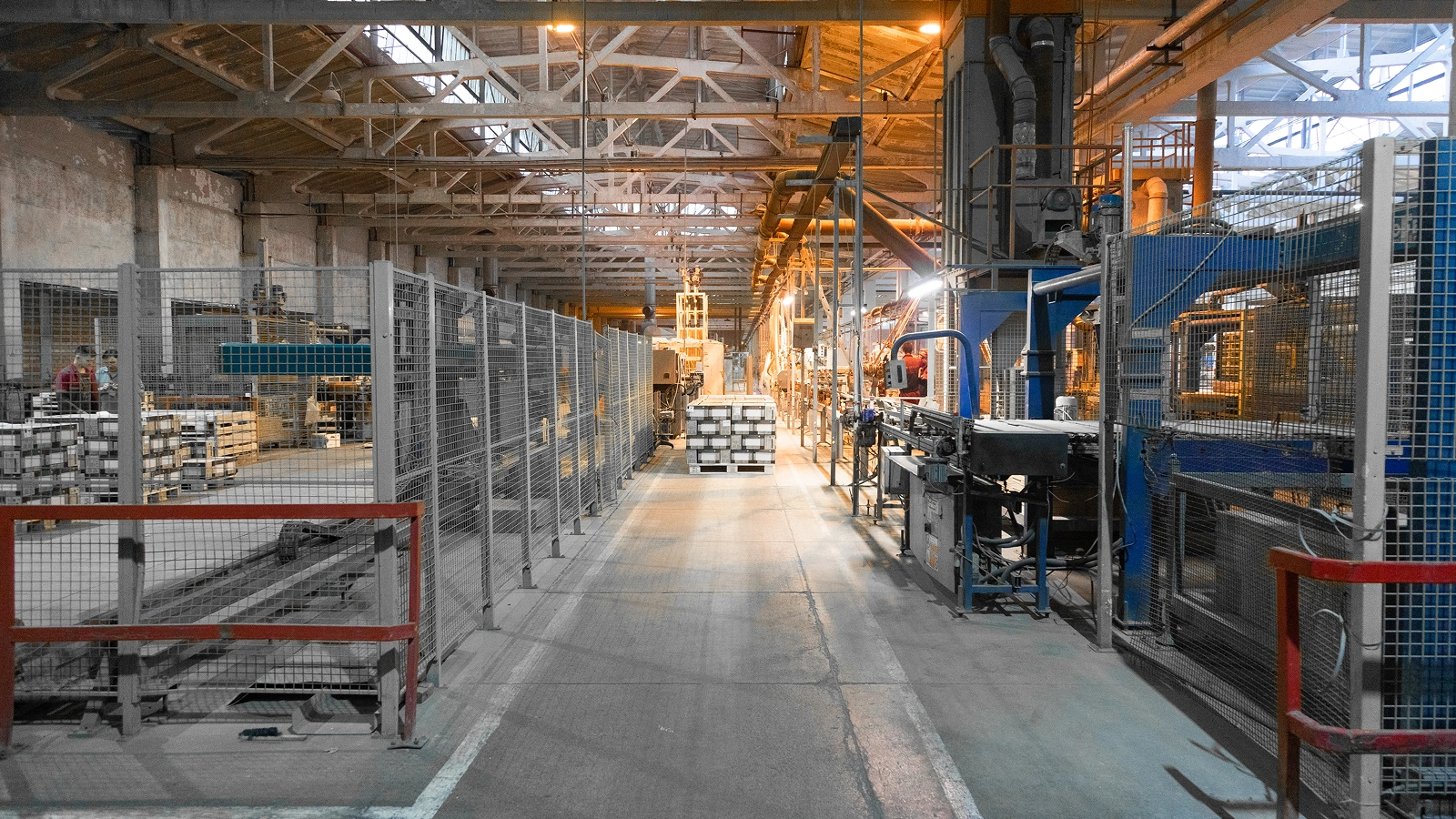
Delivering reliable industrial systems requires deep engineering capability, operational empathy, and systems built for reliability.
Technostacks combines IoT, edge computing, AI, computer vision, and digital twin capabilities with a grounded understanding of industrial workflows, ensuring systems operate safely, predictably, and at scale across real-world environments.
Shape the Next Phase of Your Industrial Performance
When uptime, quality, and safety define success, transformation demands systems built for the realities of industrial operations.
Start a conversation about your next industrial initiative
Lets Talk
Have a challenge?Let us know.