

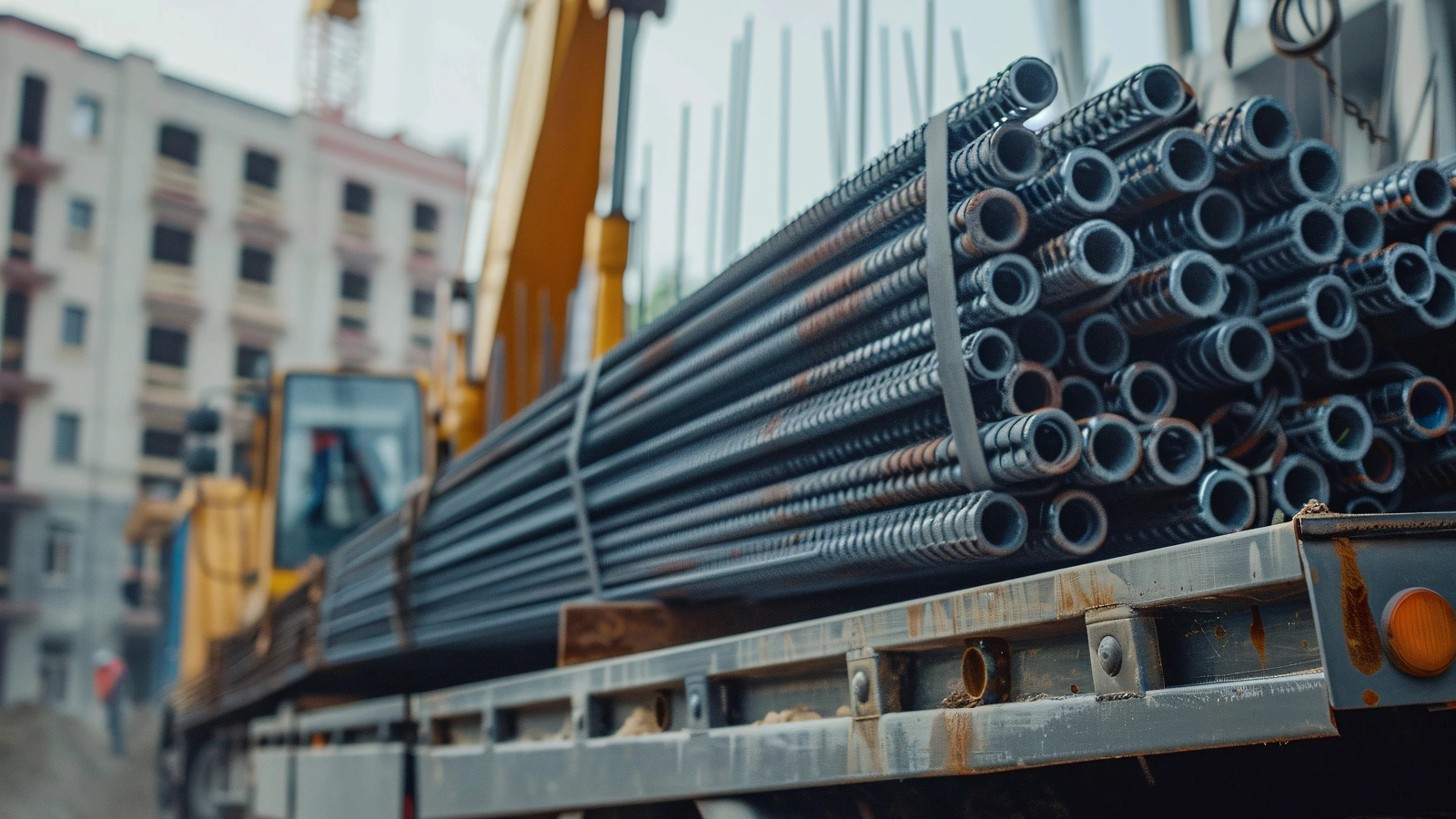
Across industries, vision is often the bottleneck to scale. Manual tasks like defect detection, scan interpretation, or inventory tracking are slow and subjective. Computer Vision automates these processes using deep learning models to see, detect, classify, and act in real time with high accuracy and zero fatigue.
improved accuracy in defect detection
faster triage in medical image processing
diagnostic throughput
From diagnostics to operations, Computer Vision helps organizations automate observation, detect patterns, and act faster—wherever visual data lives.
Image classification and object detection
Real-time video stream processing and event triggers
Edge-developed CV models with low latency inference
Mobile-first vision inference (ONMX, CoreML, TFLite)
Integration with hardware sensors and CCTV feeds
Custom training pipelines for domain-specific datasets
Increase efficiency by automating manual visual inspection and counting tasks to reduce time and overhead.
Stay ahead with proactive decision-making with real-time visual intelligence.
By automating repetitive tasks, reduce human error in quality control, safety, and compliance.
Accelerate diagnostic and analytical workflows for better patient outcomes.
Unlock operation insights from video, camera and sensor feeds
Our delivery approach
Identify where Computer Vision can deliver the highest ROI.
Label, clean, and augment your visual data for automation.
Train, validate, and tune custom Computer Vision models for your use case.
Deploy responsively across cloud, edge, mobile or ERP-integrated workflows.
Continue monitoring with ongoing tracking, feedback loops and drift correction.
Reduce manual review in labs and speed decisions for quality and safety-critical processes
Enhance accuracy in verification and assembly with mobile vision systems while cutting training time
Eliminate hours of repetitive annotation in research pipelines to focus on high-value discovery work
Improve planning, population estimates and parcel tracking with data-driven insight from live camera feeds
Strengthen safety, compliance and check-ins workflows in sensitive environments with face recognition

Expert insights to make you future-ready

Blog
8 min readAutomate, Integrate, and Scale Operations with Zoho Creator

Blog
8 min readThe Last-Mile Delivery Crisis Driving AI Adoption in US E-Commerce

Blog
7 min readWhy Zoho CRM implementations fail after year 2 and how to fix them.

Blog
7 min readHow AI, IoT, and Digital Twins Are Reshaping Business Models

Blog
7 min readKey Challenges and Best Practices for Scaling Zoho CRM Beyond 50 Users

Blog
4 min readCut Memory Costs and Boost Node.js Performance at Scale

Blog
7 min readEvaluate IT Infrastructure Before Business Expansion.

Blog
6 min readKey signs your business needs technology consulting.
Visual lab QA automation
faster chemical tracer counting in diagnostic labs through camera-based CV workflows
Assembly verification
boost in production efficiency and fewer errors with real-time glove and part detection
Cell segmentation in microscopy scans
time saved in annotating and reviewing microscope image datasets using AI-enabled pipelines
Traffic flow analysis for Smart City planning
Yes. We incorporate data augmentation and adaptive learning techniques to ensure robustness. Additionally, we offer drift detection and retraining workflows to maintain accuracy over time as conditions evolve.
Yes. We support edge deployment using Nvidia Jetson, OpenVINO, or mobile devices. This is especially useful in factory floors, remote logistics hubs, or field environments with poor connectivity.
Implementation depends on data availability and use case complexity. However, using our prebuilt accelerators, we typically deliver a working MVP within 4–6 weeks, followed by refinement and deployment.
We integrate seamlessly with:
We help you structure your data pipeline from scratch—whether that means building annotation interfaces, conducting initial labeling, or using transfer learning to reduce the amount of labeled data needed to get started.