

How Construction Procurement Connects Material Requirements, Contractors, and Project Cost
A construction project can only move as fast as its materials, vendors, and contractors allow, yet procurement is where many real estate developers quietly lose control of cost. Construction procurement software connects the full chain, from a site’s material requirement through vendor sourcing, goods receipt, consumption, and contractor billing, so every purchase stays tied to the project it serves.
Done well, procurement stops being back-office order entry and becomes a project cost-control function. Here’s how a connected construction procurement process actually works and where disconnected systems quietly cost you time and margin.
Why Construction Procurement Is Different from Standard Purchasing
Standard purchasing follows a simple line: a request becomes a purchase order, goods are received, and an invoice is paid. Construction procurement adds a layer that changes everything. The material isn’t bought for the company — it’s bought because a specific project, activity or construction requirement needs it. The chain runs from project to activity to material requirement to procurement to site to consumption to project cost.
That link between a purchase and the project it belongs to is exactly what generic purchasing tools miss, and it’s why off-the-shelf procurement software rarely fits a construction business.
| Aspect | Standard purchasing | Construction procurement |
|---|---|---|
| Trigger | A company or department need | A specific project activity or BOQ requirement |
| Flow | Request → PO → receipt → invoice | Requirement → RFQ → PO → GRN → site issue → consumption → cost |
| Cost view | An expense account | Project cost: committed vs actual |
| Inventory | One central store | Central warehouse plus multiple site stores |
| Success measure | The order was fulfilled | The project was delivered on cost and schedule |
Inside Construction Procurement Software: The Lifecycle Step by Step
A connected construction procurement process begins with a real project requirement, a construction activity needs a defined quantity of material by a required date captured with its project, location, quantity, requesting team and priority. That requirement is routed for approval based on value, budget, category and existing stock, creating a control point before any financial commitment exists.
Only then does sourcing begin. The team issues RFQs to several vendors and compares them on unit price, taxes, delivery time, payment terms, warranty, specifications and past performance because the lowest price rarely means the lowest total cost. The selected quotation converts straight into a purchase order with no re-keying, and the PO becomes the formal commitment to the vendor.
| Stage | What happens | Why it matters |
|---|---|---|
| Requirement | Site logs what’s needed, for which activity | Traceability from need to spend |
| Approval | Routed by value, budget and category | A control point before commitment |
| RFQ & comparison | Multiple vendors quoted and compared | Auditable, defensible vendor decisions |
| Purchase order | The selected quote becomes the PO | A formal commercial commitment |
| Goods receipt (GRN) | Ordered vs received, accepted vs rejected | Visibility of what actually arrived |
Site Stores, Consumption and Wastage
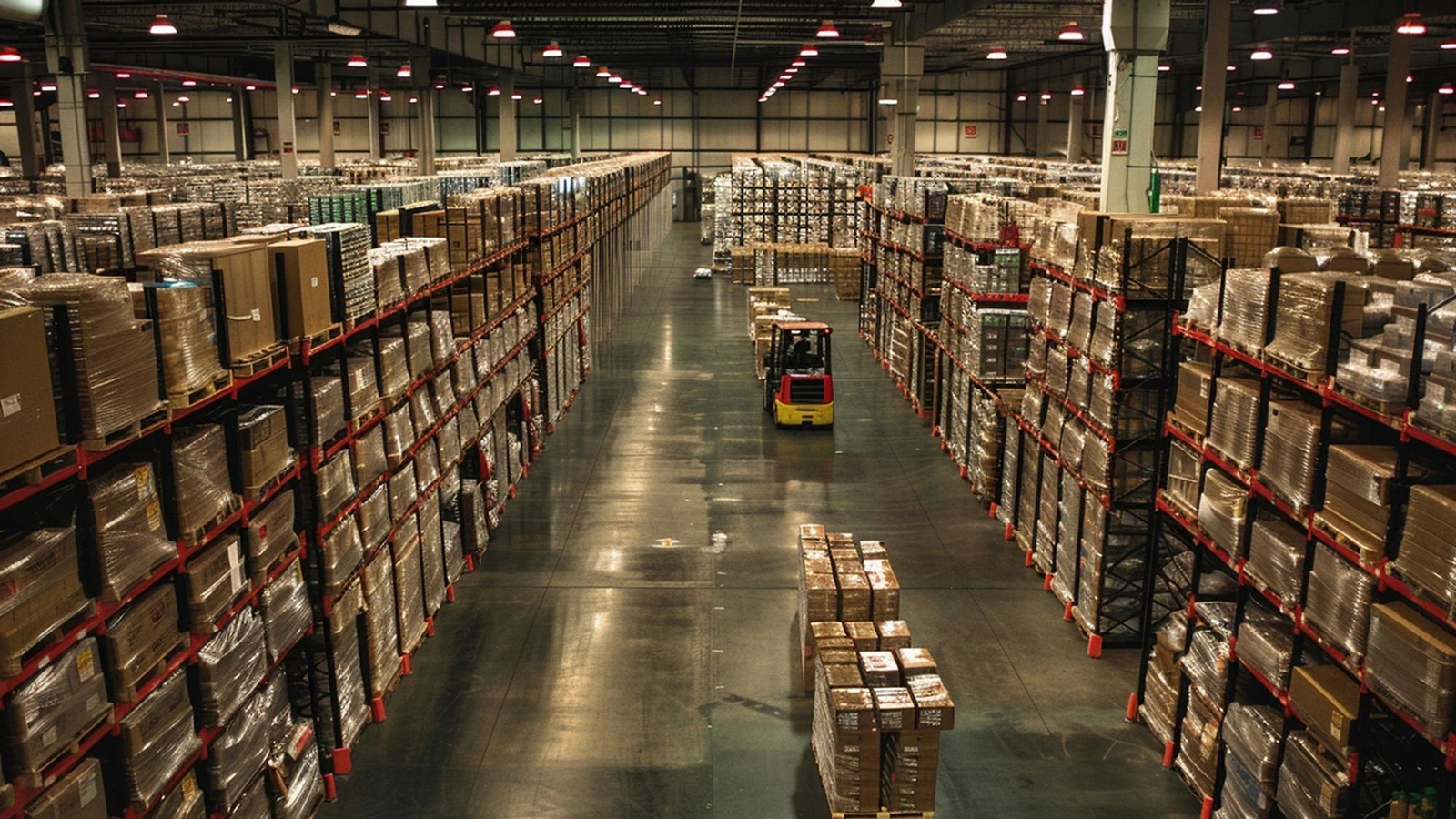
A purchase order doesn’t mean the material reached the site, and receiving it doesn’t mean it was used well. Construction businesses run multiple stock locations, a central warehouse feeding project site stores that feed construction activities, so the system has to answer what’s available centrally, what’s at each project, and what has been transferred, issued or is running low.
The real cost-control moment is consumption: comparing what was received, issued and actually consumed against the balance and the BOQ. That comparison is where over-consumption, shortages and wastage surface. In construction, material wastage isn’t only an inventory problem, it’s a project profitability problem, because every wasted unit comes straight off the project margin. Separating planned consumption, actual consumption, returns and wastage lets a project manager see exactly where usage is drifting.
Contractor Management and Running Bills
Projects don’t run on materials alone contractors and subcontractors carry much of the work, and their billing has to track actual progress rather than flat invoices. A running bill is a progress-based claim: work is measured against the work order, the measurement drives the bill, retention and deductions are applied, the work is certified, and a net payable amount is approved for payment.
Keeping contractor masters, work orders, scope, progress, retention and payment status in the same system as procurement means contractor cost and material cost roll up into one project view instead of living in separate spreadsheets that only reconcile after the money is spent.
Connecting Procurement to Project Cost and Finance
This is where procurement earns its place in project management. With requirements, purchase orders, receipts, consumption and contractor bills connected, management can finally read cost through one lens: budget versus committed versus purchased versus consumed versus actual versus forecast. Procurement commitments become a live input to cost forecasting instead of a surprise that lands when the invoice does.
Finance gains the same early visibility separating what’s been ordered, received, billed, paid and still outstanding so a purchase order is understood as a commitment the moment it’s raised. And because delays are visible too, teams can see which materials are late, which activities depend on them, and which vendors keep slipping, before a delayed delivery becomes a delayed project and a cash-flow problem.
How to Streamline Procurement in Construction
Moving to a connected model doesn’t mean ripping everything out at once. A practical sequence:
- Connect every significant purchase to a project requirement, so spend always has context.
- Standardize approvals by value, project, and material category.
- Digitize vendor comparison so quotation decisions are structured and auditable.
- Link purchasing to inventory, so receipts and stock movements are visible in real time.
- Track consumption against BOQ to catch wastage and over-use early.
- Tie contractor running bills to work orders and measured progress.
- Bring commitments, bills, and payments into one commercial workflow with Finance.
- Monitor exceptions, delays, shortages, pending GRNs, and high-value commitments before they hit the project.
How Technostacks Approaches Construction Procurement
At Technostacks, we design procurement around how a construction business actually operates rather than around a generic purchasing module. We connect the relationships between project requirements, procurement, vendors, inventory, contractors, project cost, and finance the same connected-lifecycle thinking behind our work on real estate land and project management ERP. The technology is then selected and integrated around those relationships, not the other way around. You can see a similar connected-systems approach in a multi-system enterprise solution we delivered.
Conclusion
A construction project is only as controlled as its procurement. When materials, vendors, contractors, and finance run as one connected process instead of separate systems that reconcile too late management gets early visibility into cost and risk, and procurement becomes a lever for margin rather than a source of overruns. That is what modern construction procurement software should deliver: purchasing connected directly to project execution.
Thinking about connecting procurement to project cost across your developments? Reach out to us, we’ll map your requirement to payment workflow and design a construction ERP around how your projects actually run.
FAQs
1. What is procurement in construction?
Procurement in construction is the process of sourcing and supplying the materials, vendors and contractor services a project needs from raising a material requirement and comparing vendor quotes to receiving goods, tracking consumption and paying bills. Unlike general purchasing, it stays tied to a specific project, activity and cost.
2. What is the procurement process in construction?
The construction procurement process runs from material requirement and approval, to vendor RFQ and quotation comparison, vendor selection, purchase order, goods receipt, site inventory, material issue and consumption, and finally project cost and vendor payment. Each step feeds the next, so nothing has to be re-entered.
3. How is construction procurement different from normal procurement?
Construction procurement is tied directly to projects, site activities, material consumption, contractors and project cost, whereas normal procurement usually ends at receipt and invoice. The purchase exists because a specific project requirement needs it, so it must be traceable all the way to project cost.
4. How does procurement affect project cost?
Material prices, wastage, delayed deliveries, vendor performance and contractor costs all feed the final project cost. Connecting procurement to consumption and finance lets teams compare budget, committed, purchased, consumed and actual cost and forecast overruns before they happen rather than after the invoice arrives.
5. What is a contractor running bill?
A running bill is a progress-based contractor claim. Completed work is measured against the work order, the measurement drives the bill, retention and deductions are applied, the work is certified, and a net payable amount is approved for payment. It ties contractor payments to actual progress.
6. Why should procurement be connected to finance?
Connecting purchase commitments, receipts, vendor bills and payments gives finance early visibility into project obligations. It distinguishes what has been ordered, received, billed, paid and still outstanding so cost is understood at the point of commitment, not weeks later when the invoice is processed.
7. How do you streamline procurement in construction?
Connect every purchase to a project requirement, standardize approvals, digitize vendor comparison, link purchasing to inventory, track consumption against BOQ, tie contractor bills to progress, connect finance, and monitor exceptions like delays and shortages early. A connected construction ERP makes each step feed the next.